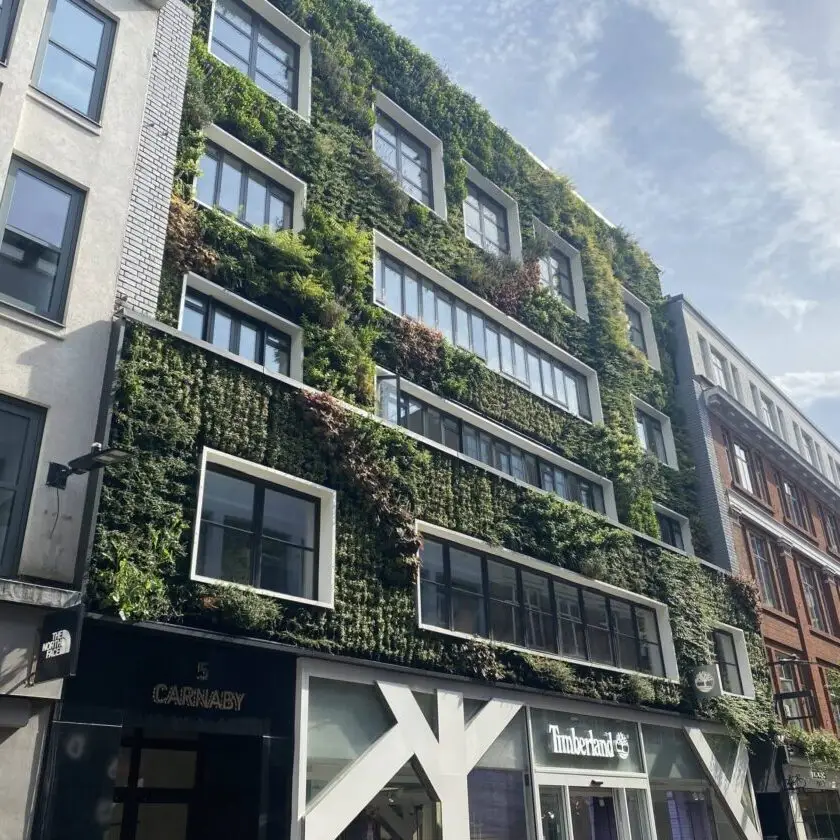
Sustainability
5-7 Carnaby Street, Soho London
This project is a mixed use office and retail scheme which consists of a new double height roof extension and new Green Wall on Carnaby Street located in the heart of London’s Soho.

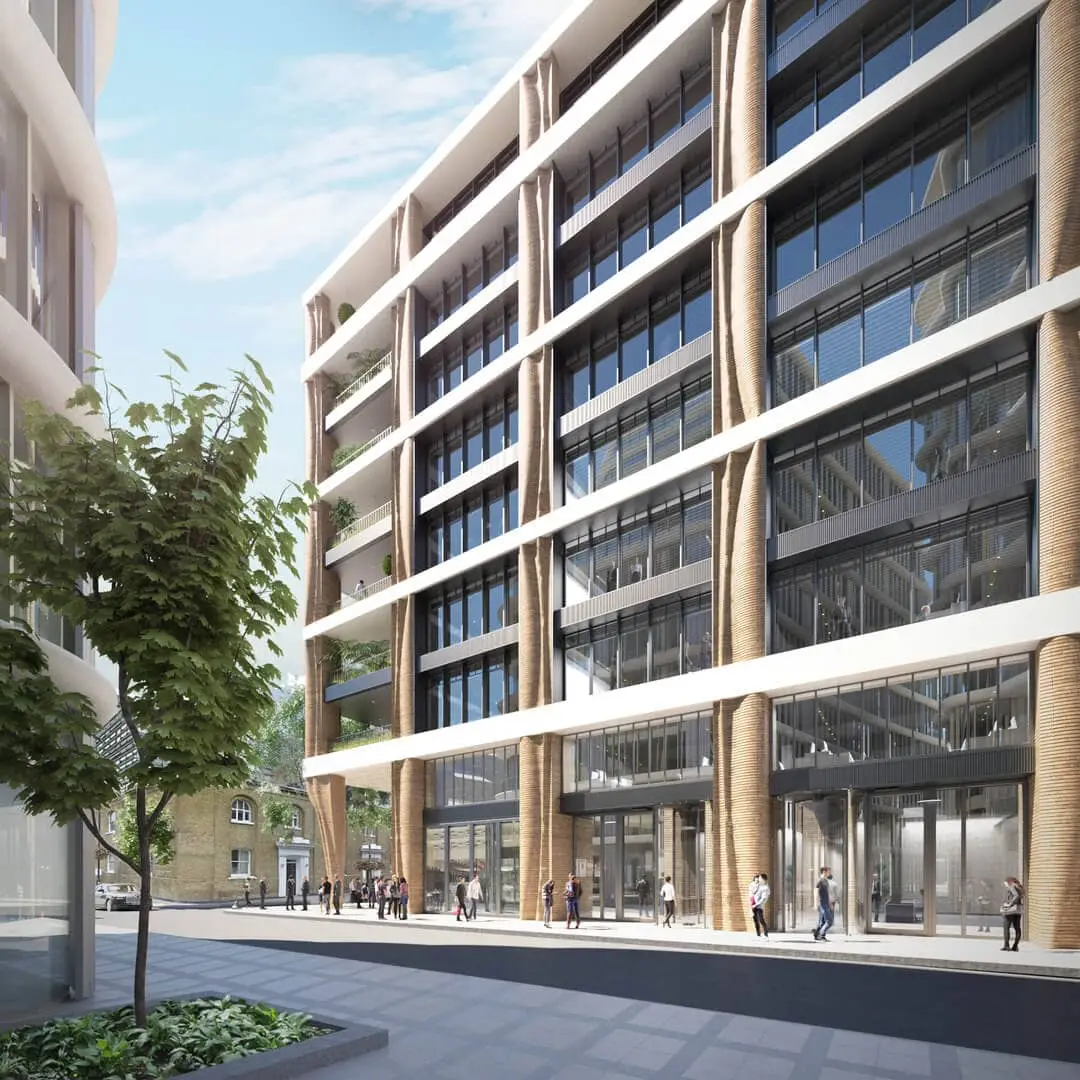
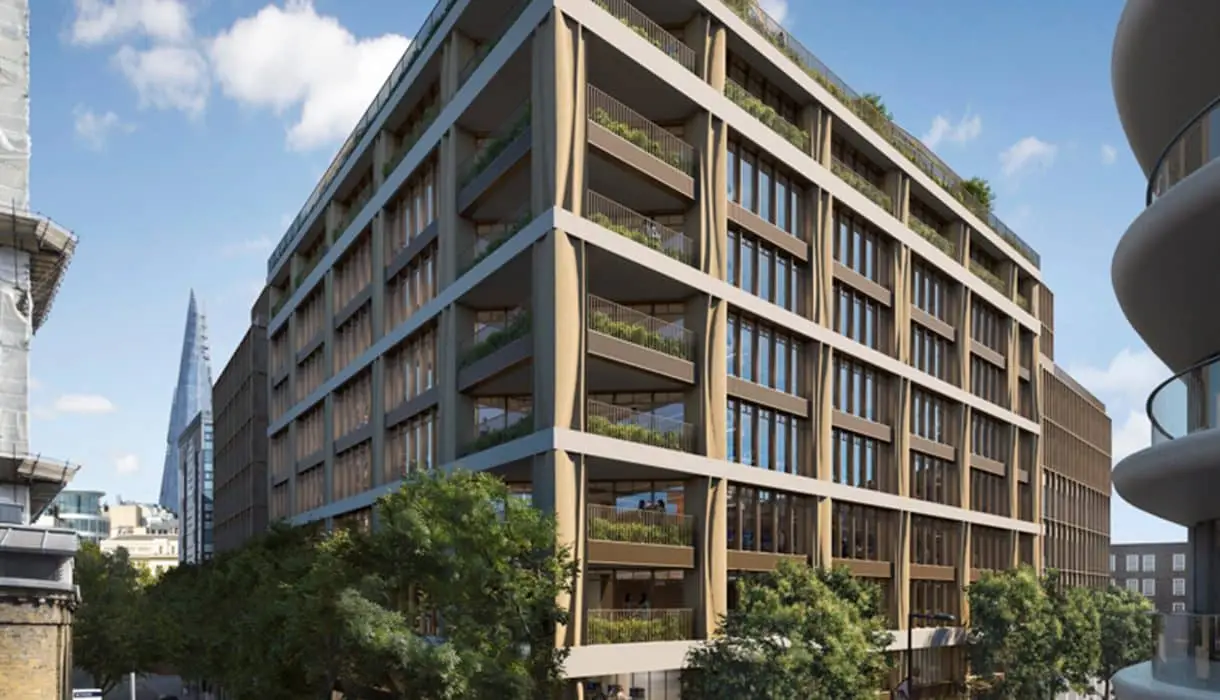
This project is a mixed use office and retail scheme which consists of a new double height roof extension and new Green Wall on Carnaby Street located in the heart of London’s Soho.
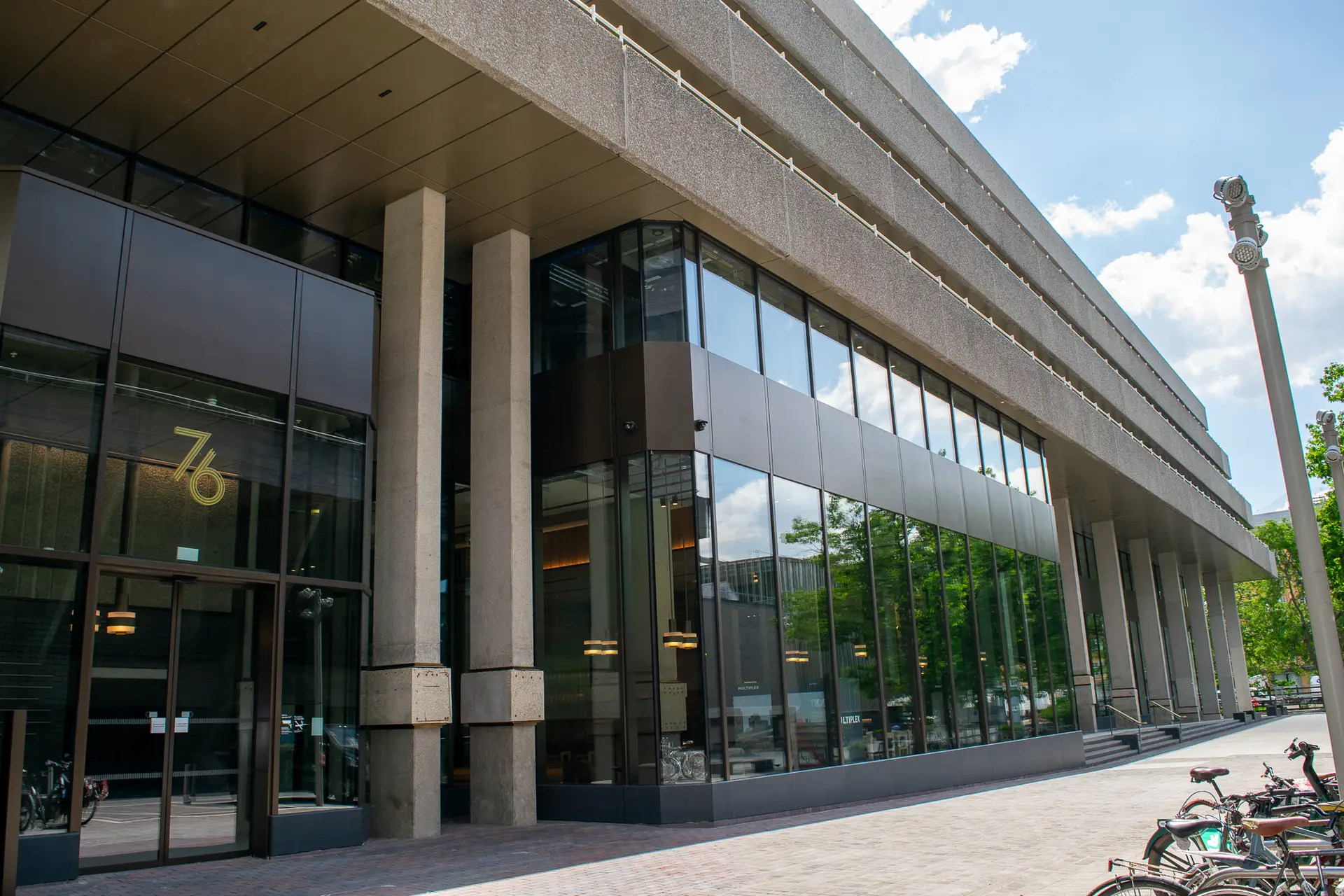
Sustainability is incredibly important for the Client and as such the building is BREEAM ‘Outstanding’, WELL ‘enabled’ Gold, alongside WiredScore Platinum. In addition, the Design for Performance approach is been adopted in order to minimise operational energy and hence carbon emissions.
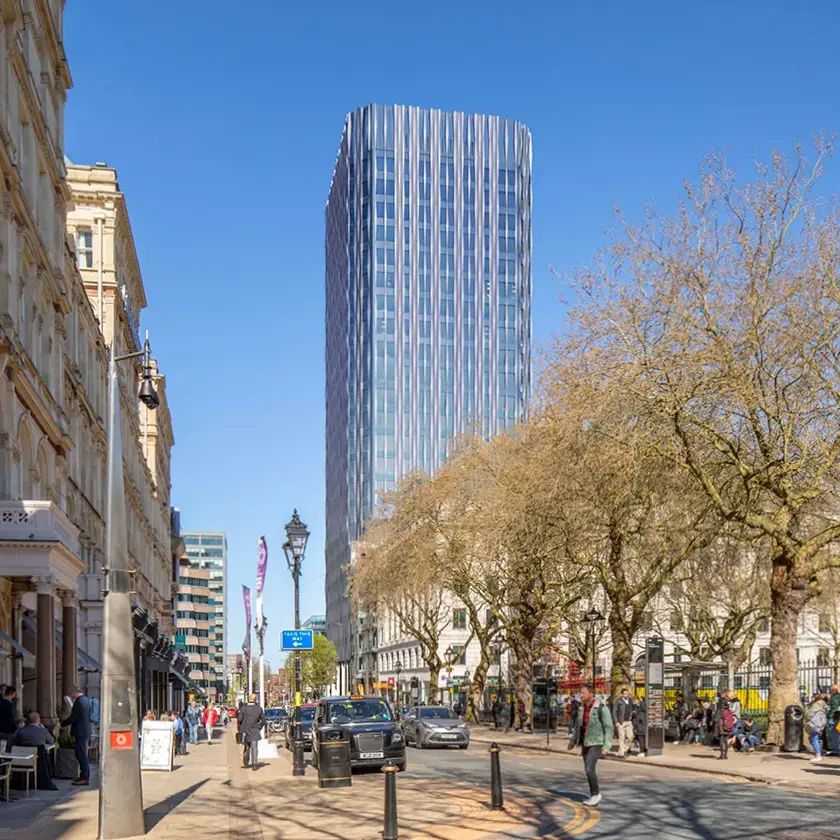
We are looking forward to our continued involvement in the project, pending positive planning feedback.
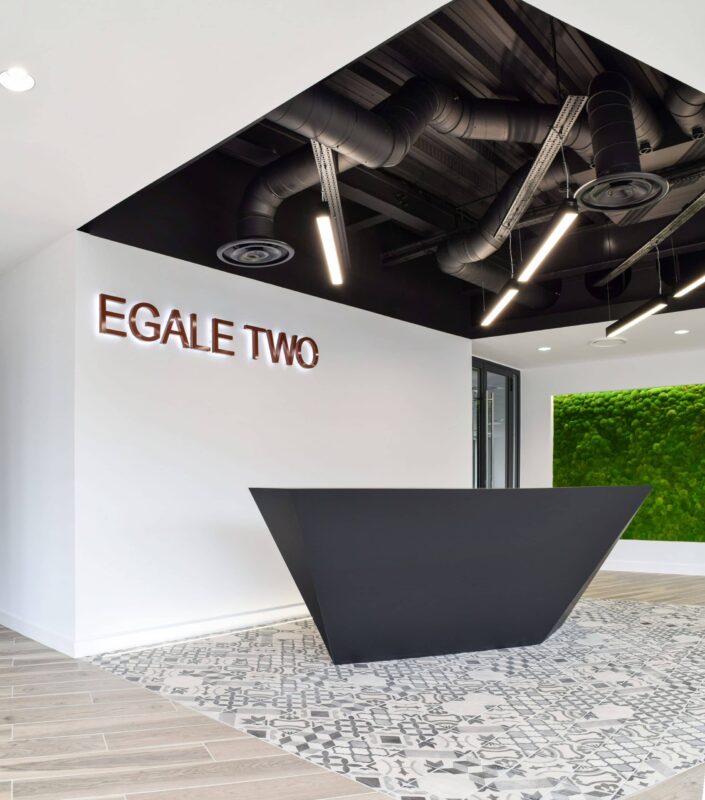
Situated just a stone’s throw away from Watford Junction station, the Egale 2 building has been tastefully renovated into a multi-tenanted office environment, with a floor by floor split for tenancies providing a total of 11,000sqft of office space over four floors.
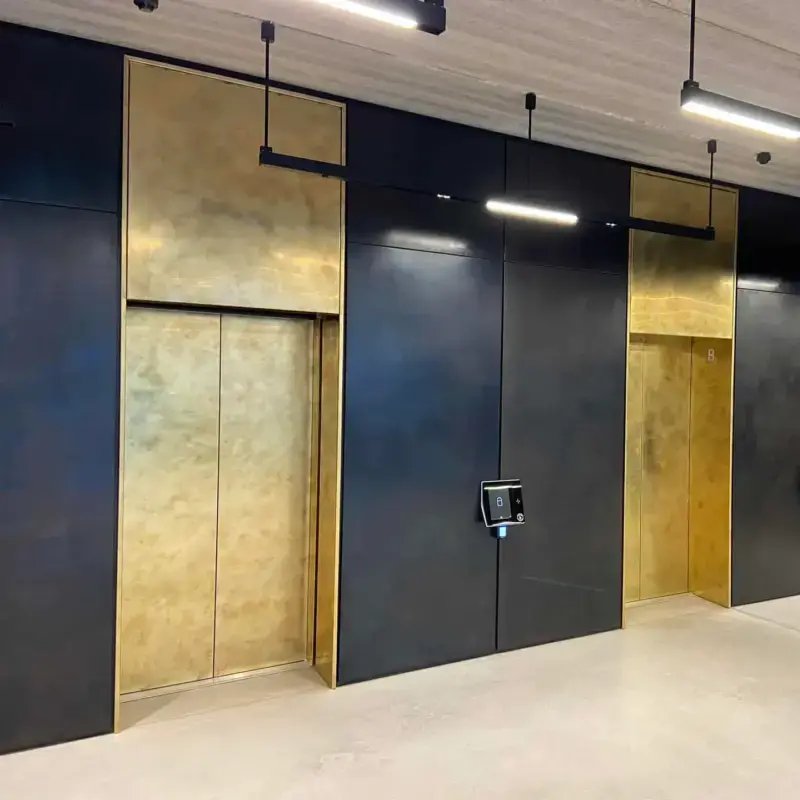
New build mixed-use development comprising a commercial building housing both office and retail accommodation along with a row of 7 four level mews houses.
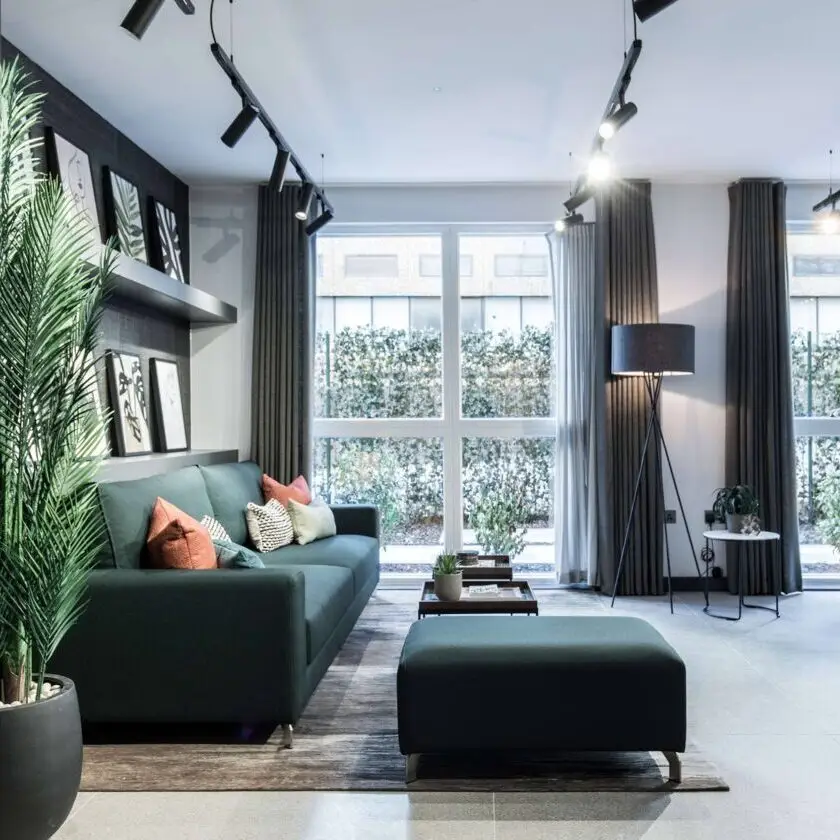
New build residential development providing 142 units over 3 blocks up to 16 storeys in height.